|
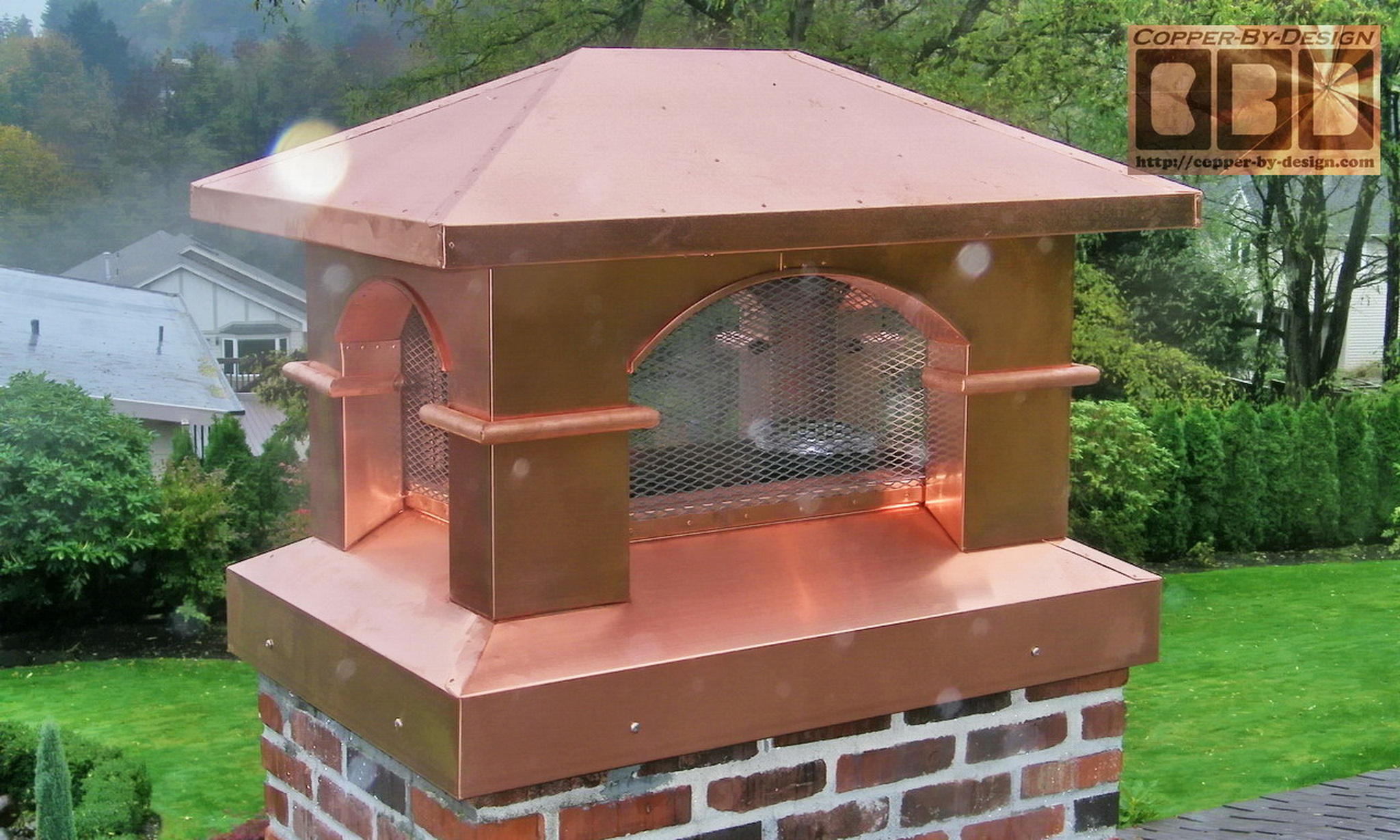
Decorative/Functional Custom Copper Sheet Metal Chimney Cap Main Information/Navigation Page Updated 1 / 28 / 12 |
|---|
|
|
Company Profile |
|
Roof Caps |
|
Chimney Caps |
|
Scuppers |
|
Gutters |
|
Shipping |
|
Contact Info |
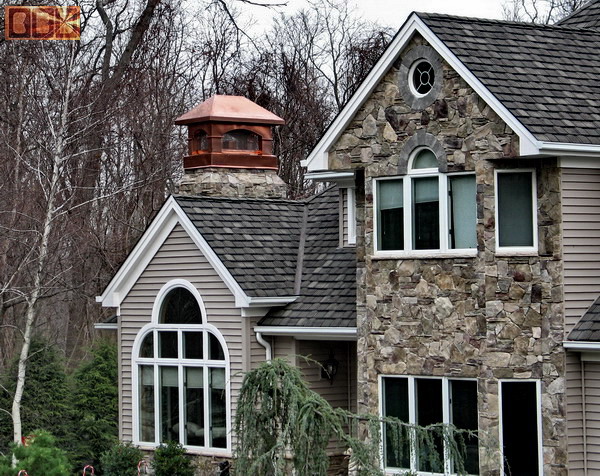
Back ground drawing courtesy of: The home of John and Dorothy Berrigan in Stone Harbor, NJ. Designed by Paul Kiss of Olivieri, Shousky Kiss, and built by D.L. Miner Construction
.

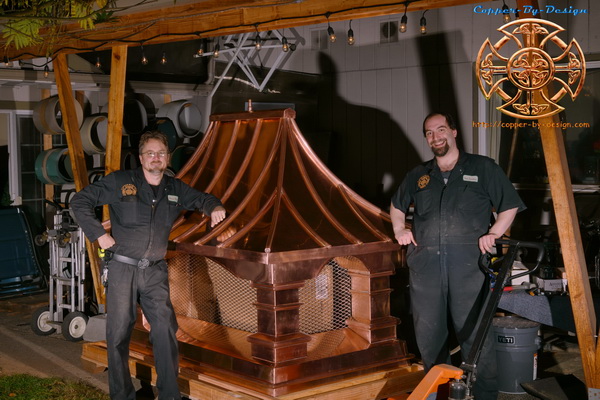
David Rich standing in
front of his
original design Tuscany arch style 7' long chimney cap
.
Quick Info Bookmarks:
.
|
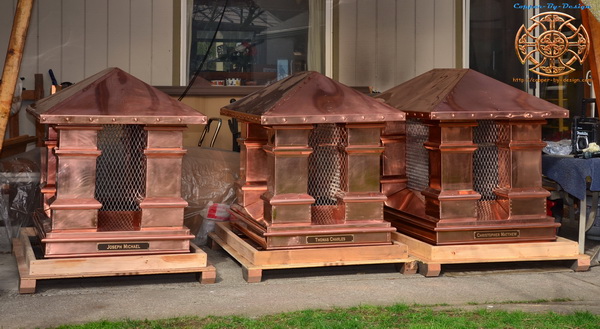
Below are examples of custom sheet metal chimney caps I've built with solid 99% pure copper in 20oz, 24oz, 32oz and 48oz thicknesses (based on weight per square foot) over the last 15 years. I place primary focus on a strong design, fewer seams, with easy sturdy attachment for servicing later if needed. Keeping in mind anything is only as good as it's weakest link. Like with gold investments, copper is also a valuable metal for a good rock solid investment not subject to inflation, like your savings. I've provided more information here to anonymously shop around than you'll find on any other web site of this nature. Each photo links to a full screen image for a better look, or it links to a page with more photos and descriptions of that project. Many with step-by-step photos. This helps you compare prices and give you ideas for a personalized quote w/o contacting us and suffering through a high pressure sales scheme you find on most web sites. There are several of our popular Tuscan arch style chimney caps I designed, but they are each unique and have different size bases to give you a better idea of what it may cost for your home. You will see most of our clients are not local to us here in Portland, Oregon, so I also go out of my way to build the best custom shipping crates you are likely to see; in order to avoid unpleasant delays resolving a damage claim. I pre-drilled and screw a wood frame together w/Gorilla Glue, covered with a hardwood shell that's glued and screwed over this frame (examples shown below). So far only 1 chimney cap had been damaged w/DHL, and one minor dent since using Roadrunner Transportation trucking back in early 2006. You may also find our chimney flashing kits beneficial: http://copper-by-design.com/cc/cf.htm#kits Note: We do not intend to be misleading with prices listed on these web pages for projects made prior to to mid 2006, so each project is clearly dated. As you may have heard; metal and fuel prices had doubled that year. So keep in mind those prices listed were just what they had paid at that time. Even though material and fuel costs doubled your end cost has not changed more than 15% from that time, as most of the cost of this sort of custom fabrication is not the materials used. This is another good reason I do not to use a cheaper metal, since it would not save you all that much. You can go to our Latest News web page to read more on this subject. |
|
Pictured below are chimney caps I've
built in order of the latest - back They are listed by the clients last name, instead of making up some cute name for each style Just click on the photos below to see and read more about each one |
|
.
Sarkinen - (1/12) A stylish concave hip design w/11/12 roof graduating steeper w/oversized rivets to match their mantle I made a year prior Stork weathervane made by some one else. ![]() Cost: $2,452.17 delivered to St. Michael, Minnesota. Final weight 78.2# w/o crate (attachment base 25.25" X 25.25" ISD, roof is 30" Wide OSD) . Morgan - (12/11) Stylish low profile design w/6/12 hipped roof for over a natural gas exhaust ![]() Cost: $2,126.52 client pick up. Final weight 119.4# (attachment base 35.75" X 42" ISD, roof is 41.25" X 48"OSD) . Lawton - (5/11) Simplified Tuscany arch style w/10/12 hipped long ridge roof ![]() Cost: $4,439.20 delivered to Saunderstown, Rhode Island (attachment base 28" X 38" ISD) . Birger - Collinsville, Illinois (9/10) Tuscany triple arch style w/double tier base and a 6/12 hipped roof ![]() $5.316 w/client pick up (base: 2' 1.75" X 8' long ISD, or 17.2 sq') Final cost was $684 less than estimated |
||
|
Raban
(10/10) Simple square flue liner mounted ![]() Cost: $461.25 delivered to Kent, Washington (attachment base 12.25" ISD, or 1.1 sq') |
Wolfgang
(6/10) Octagon roof mount screened vent cover for kitchen or natural gas ![]() Cost: $550 Portland, Oregon (flange: 6/12 pitch roof mount, 6.5" ISD) |
|
|
|
||
|
Pagano
(5/10) 1/2 scale Lighthouse style chimney cap w/Morgana style finial and LED lighting ![]() Contact me for the cost of this project delivered to Seneca Falls, New York (base: 4' 11" ISD, or 16 sq', catwalk: 6' 6" OSD) Saved $3.3k in discounts for large unique design |
Witkiewicz
(3/10) Covered Bridge style w/chimney flashing kit and cricket ![]() Cost: $3,018.50 delivered to Somers, New York (base: 28" X 66" ISD, or 12.8 sq') . Peabody (3/10) A less simplified arch style than Reeves cap ![]() Cost: $4,847.80 delivered Westport N. Y. (bases: 31.25" X 51.25" ISD, or 11.1 sq' & 31.25" X 39.25" ISD, or 8.5 sq') Saved $1,326.40 for being decisive before contacting us and volume discount . Swanson (10-11/09) Tuscany arch style w/8/12 hipped roof ![]() Cost: $9,034 - set of 2 chimney caps delivered to Waco, Texas (base: 38.5" X 49" ISD, or 13.1 sq') . Tuscany arch style w/12/12 hipped roof ![]() (base: 38" X 51" ISD, or 13.5 sq') Saved $2,785.72 on both for being decisive before contacting us and volume discount |
|
|
Blair
(2/10) Bird House style w/12/12 cover & cap ![]() Cost: $2,900 installed Portland, Oregon (base: 36" X 81" ISD, or 20.3 sq', flue: 10" OSD) |
||
|
Nelson
(12/09) Chapel bell style w/finial ![]() Cost: $3,701.88 delivered to Tampa, Florida (Flue: 14" OSD, 45" pan ISD, or 14.1 sq', with a 34" wide bell) |
||
|
Bardana
(10/09)
Tuscany triple arch style w/6/12 hipped roof ![]() Cost: $8,863.28 - set of 2 chimney caps installed in Lake Oswego, Oregon (base: 29.5" X 41.25" ISD, or 8.5 sq', and 30.5" X 121.5" ISD, or 25.7 sq') Saved $2,706.40 on both for being decisive before contacting us, being the first to have us build this triple arch design, and volume discount |
||
| . | ||
|
Graham
(7/09) Gable style w/16/12 roof ![]() Cost: $2,136.50 installed Portland, Oregon (base: 22" x 51" ISD, or 7.8 sq') Saved $347.30 for gutter combo discount |
Nelson
(9/09) Chess piece 'Bishop' style w/4/12 roof ![]() Cost: $2,616.04 delivered Tampa, Florida (flue: 12" OSD, base: 36.75" x 38.5" ISD, or 9.8 sq') |
|
|
O'Brien
(6/09) Tuscany arch style w/8/12 hipped roof ![]() Cost: $2,548.36 delivered Arlington, Massachusetts (base: 31.25" x 31.25" ISD, or 6.8 sq') Saved $299.60 for being decisive before contacting us |
Lee (5/09) Mini Lighthouse style w/6/12 roof ![]() Cost: $237.50 delivered Birmingham, Alabama (Made to be soldered over a flat copper roof, inside base: 8" tapered in for a 3" gas flue, 16" tall under SS screen w/10" wide cap) |
|
|
Besio (3/09) 1/3 scale simplified Lighthouse style chimney cap over odd triangular shaped base w/low profile bell roof and Morgana style finial ![]() Cost: $7,500 - delivered Glen Arbor, Michigan (base: 6' 11" x 6' 3" ISD, or 34 sq') Saved over $2k from more copper used than estimated |
||
| .Fenley (6/08) Mini Lighthouse style w/6/12 roof ![]() Cost: $600 - w/o delivered Mulino, Oregon (flange: 5/12 pitch, base: 22" x 24" ISD, made to fit over an 8" SS flue pipe) |
A Client in
Connecticut (base: 22" x 39" ISD, or 6 sq') |
|
| . | ||
|
Corker (3/08) Tuscany arch style w/8/12 hipped roof ![]() Cost: $3,304 delivered to Mechanicsville, Virginia (base: 35" x 43.5" ISD, or 10.6 sq') Saved $611 for being decisive before contacting us |
Stone
(1/08) Tuscany arch style w/6/12 hipped roof ![]() Cost: $2,503.20 delivered to Summit, New Jersey (base: 31.25" x 31.25" ISD, or 6.8 sq') Saved $561 for being decisive before contacting us |
|
| . | ||
|
McLaughlin
(12/07) Greek column style w/6/12 hipped roof ![]() Cost: $4,537.24 delivered to Staten Island, New York (base: 61.5" x 26.5" ISD, or 11.3 sq') Saved $61 for allowing us to make this unique design |
Reeves
(11/07) Simplified arch style w/6/12 hipped roof ![]() Cost: $2,944 delivered to Springfield, Illinois (base: 59.75" x 30.25" ISD, or 12.6 sq') Saved $368 for allowing me to build this first simplified Tuscany arch style |
|
| . | ||
|
Willard
(8/07) Chess 'King' style chimney w/roof flange ![]() Cost: $3,265 delivered to Grass Valley, California (made for a 12/12 pitch roof, inside base 24" x 24", w/13" flue pipe over a 12" wide chimney pipe) |
Matury
(6/07) Bird House style chimney w/roof flange 12/12 ![]() Cost: $3,116.60 delivered to Munster, Indiana (Flange: 12/12 pitch roof mount, base: 20" x 20" ISD, 14" wide flue over a 13" chimney pipe) |
|
| . | ||
|
Berrigan
(2/07) Tuscany arch style w/10/12 hipped roof ![]() Cost: $4,617.43 delivered to Stone Harbor, New Jersey (base: 58.5" x 45.5" ISD, or 18.5 sq') Saved $791 for for more copper used than estimated |
||
| . | ||
|
||
| Gross
(12/06 - 1/07) Tuscany arch style w/8/12 hipped roof ![]() ![]() Cost: $8,477.75 - set of 2 delivered to Chester, New Jersey (base: 38.5" x 79" ISD, or 21.1 sq', and 43.25" x 43.25" ISD, or 13 sq') Saved $1,303 for being decisive before contacting us and volume discount |
||
| Matovich
part 1 & 2
(11/11 - 11/30/06) Tuscany arch style w/10/12 hipped roof ![]() Cost: $8,500 for the set of all 3 delivered to Setauket, New Jersey (base: 36.25" x 64" ISD, or 16.1 sq', and 20.25" x 32.75" ISD, or 4.6 sq';) Saved $3047.05 for being decisive before contacting us, volume discount, and using a lot more copper than estimated |
||
Matovich part 3 (12/06)![]() lighted Cupola w/weathervane support (inside base: 30" x 20") |
Fultz
(9/06) Corner column style w/4/12 hipped roof ![]() Cost: $1,940 delivered to Richmond, Virginia (base: 18" x 35.5" ISD, or 4.4 sq') Saved $330 for using a more copper than estimated |
|
| Eastaff
of LEA Construction (7/06) Low profile style w/4/12 hipped roof ![]() Cost: $3,410 - Client pick up - Brookings, Oregon (base: 48" x 80" ISD, or 26.7 sq', and 40.25" x 40.75" ISD, or 11.4 sq') |
||
| Takhar -
Fire Pit Hood (3/06) Square 6/12 hipped cover hood ![]() Cost: $2,900 delivered to Bemidji, Minneapolis (hood: 62.5" x 62.5" OSD) |
Takhar - Flue
(part 2)![]() Square Copper Flue Cost: $2,020 (flue: 9" ISD, shell 12" OSD, 106" tall) |
|
Takhar - Roof Flashing
(part 3)![]() 32oz Copper Roof Flange Cost: $480 (flange size: 36" x 36" OSD) |
Takhar - Chimney
Cap (part 4) Mini Lighthouse style ![]() Copper Chimney Cap Cost: $480 (base: 12.25" x 12.25" ISD) |
|
| . | ||
|
Kensington 28 units
(3-6/06) Monolith style ![]() Cost: $45,279 delivered to Sunnyvale, California (base: 43" x 43" ISD, or 12.8 sq') Saved over $45k for volume discount, using a lot more copper than estimated, and personal delivery |
Trainor
(2/06) Greek column style w/6/12 hipped roof ![]() Cost: $4k delivered to Fairhope, Alabama (base: 41" x 69" ISD, or 19.6 sq') Saved over $1,000 for this unique design, and using a lot more copper than estimated |
|
| . | ||
| . | ||
| .Silbernagel
(1/06) Tuscany arch style w/6/12 hipped roof ![]() Cost: $2,030 installed - Dundee, Oregon (base: 34" x 40" ISD, or 9.4 sq') |
||
| LEA Designs 1
(12/05) Mini Tuscany arch style w/12/12 roof ![]() Cost: $1,194 delivered to Santa Ana, California (base: 25.25" x 26.25" ISD, or 4.6 sq') |
LEA Designs 2
(1/06) Clay flue mounted Royal Crown style w/weathervane mount ![]() Cost: $813 delivered to Santa Ana, California (base: 14.25" ISD) |
|
| Smith
(11/05) Gable end style w/8/12 roof ![]() Cost: $1.496 - client pick up - Yacolt, Washington (base: 29.5" x 35.75" ISD, or 7.3 sq') |
Gamanara
(3/05) Simple 6/12 octagon hipped roof ![]() Cost: $200 installed - S. E. Portland, Oregon (inside base: 9") |
|
| . | ||
| Lucey
(2/05) Gable end style w/6/12 roof ![]() Cost: $950 installed - N. W. Portland, Oregon (base: 17.5" x 42" ISD, or 5.1 sq') . Szakacsy
(7/04) ![]() Cost: $1,375 - client pick up - Moorpark, California (base: 31" x 75" ISD, or 16.1 sq') |
Chimney Flues
(9/04) Chess piece style chimney pots ![]() Cost: $2,000 installed - S. E. Portland, Oregon (each base: 11.75" x 15.75" X 3, or 3.9 sq') |
. |
|
||
| Tullier
(6/04) Gable end style w/4/12 roof ![]() Cost: $739 installed - N. W. Portland, Oregon (cover: 20.25" x 147", or 20.7 sq') |
Wasserman
(2/02) Covered Bridge style w/4/12 roof ![]() S. W. Portland, Oregon |
|
| . | ||
1996![]() Installed - S. W. Portland, Oregon |
1996![]() Installed - Fairview, Oregon |
|
.
|
Introduction |
|
| What sets
you
apart from the rest? We are not a bargain outlet for generic mass produced chimney caps with flat tops from foreign lands made by slave labor working for $0.50 an hour. Given the importance of such a substantial project that may be the crowning jewel on top of your house we understand how important this is for you. Besides being self proclaimed hippies (w/o the substance abuse), we have a profound compassion for others (see: mind-temple.com). David's been growing his hair out to donate for cancer patients and Tia is a practicing Midwife. David also has a unique talent for math, mechanical comprehension, and spatial arrangement, as well as a lot of experience in sheet metal fabrication doing his own design work over engineering these to exceed Building Code in most every aspect. It is difficult to find the best balance between looks, function, strength, durability, and cost. Factors that do not naturally blend together, but rather oppose each other. I do my best to implement each of these factors. |
|
|
I place a very high priority on strength. What would be the point of using a life-time metal like copper if it is made with such just a thin copper to save a few $, which will dent or warp from excessive heat. I strive to build these to last well over a century. I build the strongest and heaviest copper chimney caps you will find, along with custom styling (depending on the clients taste) without charging extra for that personalized design work. Serious inquiries
only please, as it often takes over an hour or two in order to make all of the careful calculations
and write up a quote. That is even after our clients have taken the time
to provided us with good clear information and photos to work from,
with most of our clients not being local to us here in the Portland,
Oregon area.
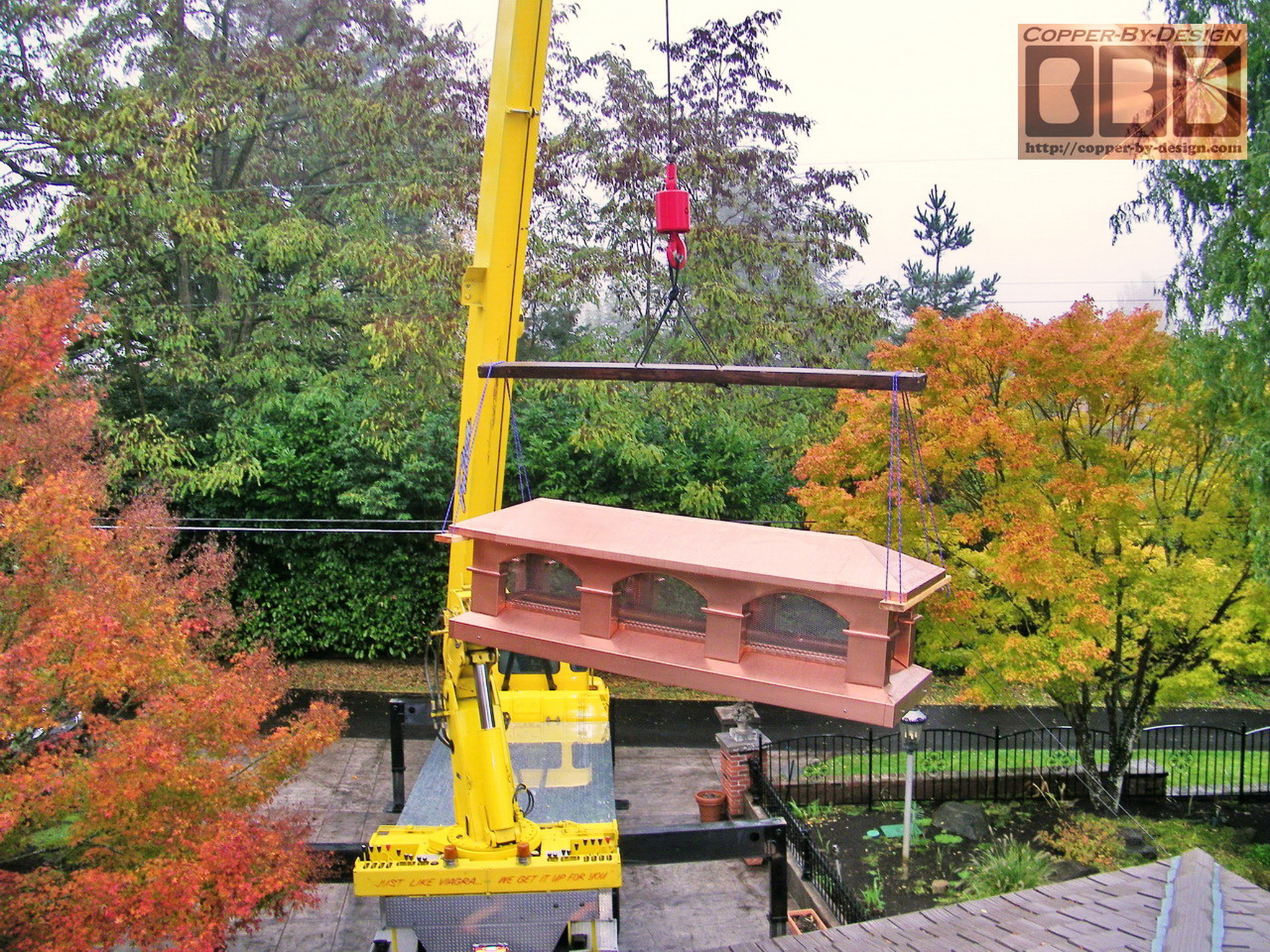
If you are not local to us the installation will have to be handled by you, or you'll need to find a local contractor to handle it. To find a local installer in your area with positive reviews from other Homeowners you can try some Consumer Protection web sites like A's List and Insider Pages. Installation is not nearly as hard and dangerous as you might imagine with the right equipment and tools. I've found a local crane operator that has only charged us his minimum $200 for even a double chimney cap installation. Then there's just to check the level and tighten the screws. The installer may not be able to stand on your steep roof anyway, so it should not matter if the roof is clear of snow. With as heavy as these are and the taller base/skirt I make these chimney caps with they are much less likely to blow off in a wind storm even if the screws were not to be tightened at all. |
|
|
Do I need to pick from one of the designs shown here? No. We applaud originality, so don't be shy to ask for a design not yet displayed here on our web site, or some combination or variation of styles and details. We do not store chimney cap templates for generic designs, so I do not offer discounts for a copy of the same design used before, since I'd still have to draft it all out from scratch to fit your specifications anyway. This insures the authenticity or originality of each chimney cap made. Other than the 28 chimney caps we built for the Kensington project (shown below) we have not had a chance to make a second chimney cap of the exact same design and measurements: |
|
|
Our Main Advantages: |
|
|
Client Satisfaction: Fortunately this has only been a problem with one turret roof cap client (2/08) where we were not able to resolve our differences, and I refunded most of her deposit, so it could happen. I cannot possibly cover all possible issues here, but if a clients aesthetic concerns conflicts with important design quality I will not compromise my standards. Even if that client is fine that it would void any warranty. You can cancel a contract at any time before fabrication has begun without explanation. All but 10% is refundable. That 10% is just a reservation fee. The deposit paid may not be refundable after I have begun cutting and bending metal for your project, but I will not hold you responsible for the balance before it has shipped. |
|
|
Here is a commemorative plaque that Teresa Trainor had requested early in the quote process of her $4k copper chimney cap order. We had this sheet of copper engraved at the cost of $80 for her architectural art sculpture we had made. So far she is the only client to request this archival detail, so we have not seen the need to get the tooling for making these plaques for all our projects. I try to keep my ego in check. It would be a $100 option added to the cost. |
|
.
.
|
What metal is best for chimney cap construction? |
Main
Factors:It is hard to find the best balance between style, longevity, strength, and cost. These factors do not naturally blend together. I work to reach the best balance possible on all the projects I build. (a) Chimney caps need to handle a great deal of heat, unless the exhaust is just from a natural gas heater. I have personally stoked up a wood stove so hot the steel exhaust pipe was glowing orange and lit up the living room. It was about 15 years ago and I was not trying to test this theory. I was just burning some paper garbage. You can see these statistics at a web site called Online Metals. Most metals handle high heat well, but steel commonly has a thin zinc coating for rust protection that melts at a very low temperature and will result in rust stains or worse. (b) A ticker heavier sheet metal is most always best, so that it is strong and less prone to wind damage. But that of coarse greatly increases the cost of the metal used and the shipping charges. It also makes it harder to cut, drill, and bend, so finding the best balance is important. That is why I use more internal bracing, in stead of just thicker copper sheet metal than I already use. (c) The cost of the metal type is a small consideration from your end for any custom work like this. Most of the cost is the design, custom fabrication, a shipping crate, shipping costs and installation. A 500% increase in the metal cost would only have about 20% increase in the total cost, so a better metal is by far your best value any way you slice it. Anything less is a waste of money. My custom copper chimney caps will normally increase the resale value of houses more than the cost difference, so you can make a profit from using better materials that will last. Even short term. (d) A long life metal that will stay looking good decades later and need little to no maintenance is a much better value, but even more so in just the cost of labor to replace cheaper units more often. Rust stains from common steel units can be very unpleasant if the unit is not replaced every 10 to 15 years. A well made copper unit should last well over a century. That saves you the hassle of 7 or more replacement and installation in that time, being heirloom quality. |
|
Steel
(very poor choice, yet most common):
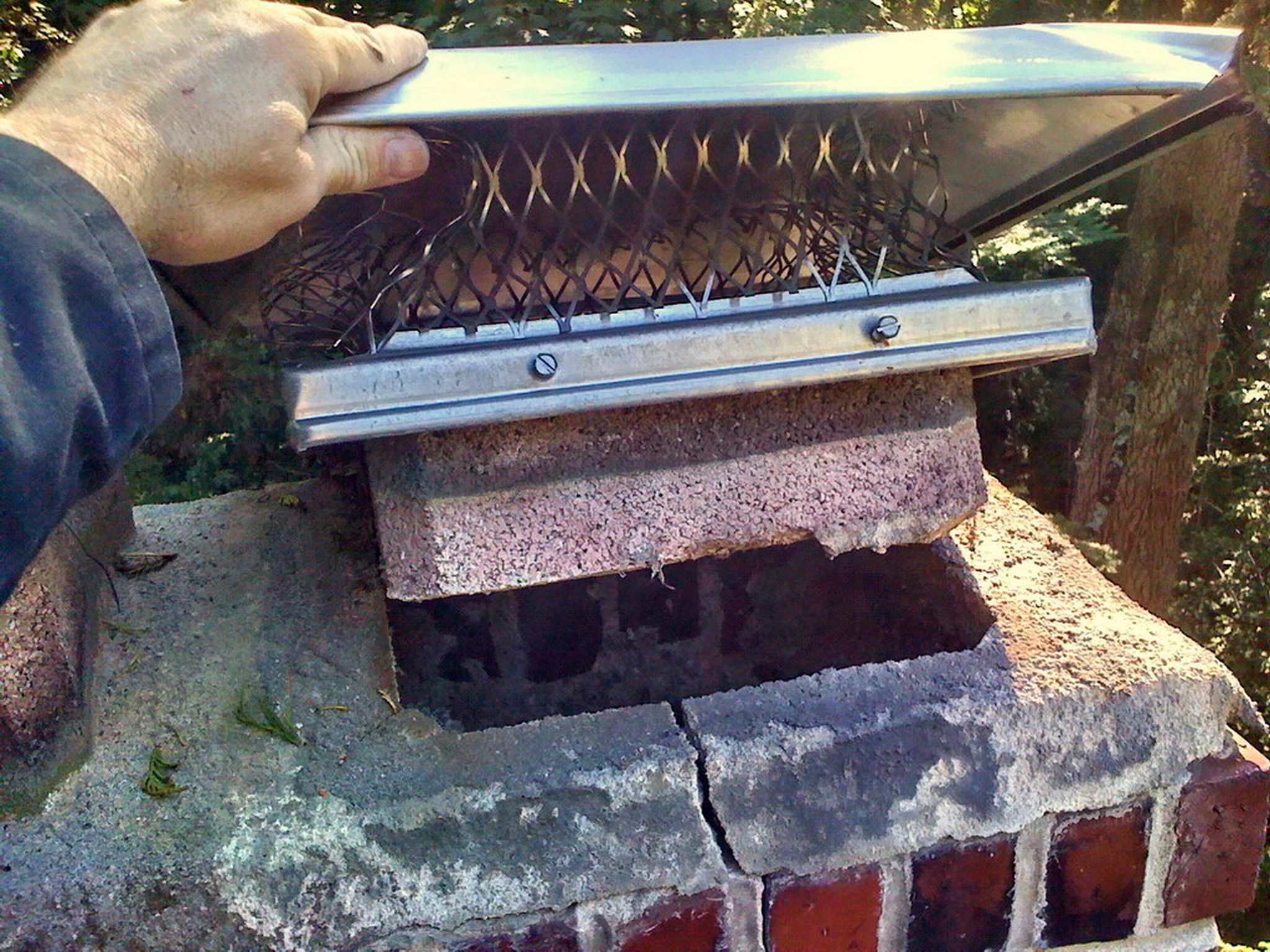
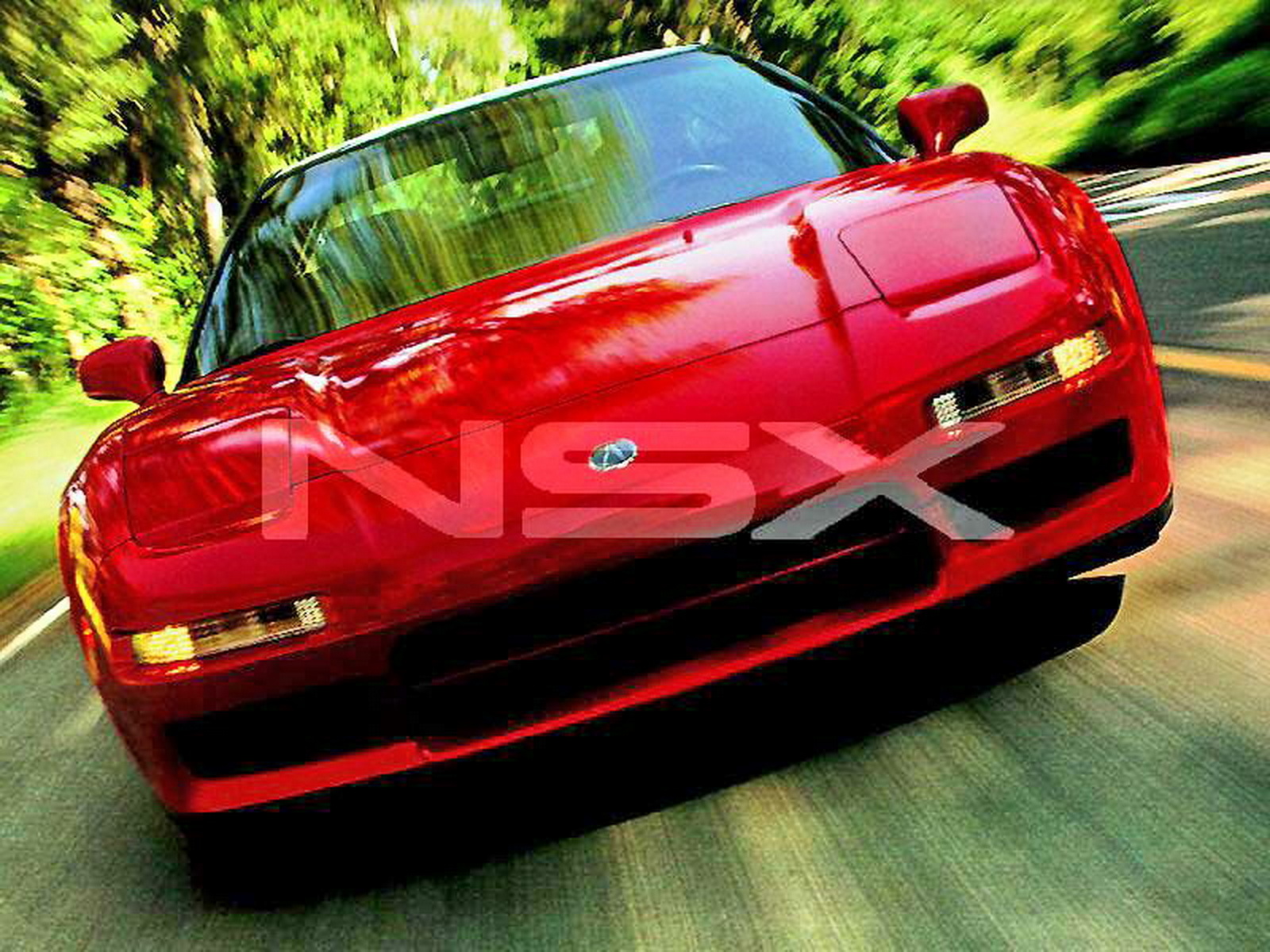
Galvanized or high temperature painted steel is the most commonly seem metal used by far. Mainly because it is so cheap, quick to spot weld together, strong, and handles high temperatures well. Few homeowners take the trouble to look into these details, so contractors will use the cheapest materials they can get away with. In most States the contractor is only required to provide a 1 year warranty. Steel cost less than 1/6th of copper, but in the long run it actually costs far more to the homeowner with the cost of replacement fabrication and repeated installation each decade or so. Also, there's the added cost of rust stain removal and or repainting. The galvanized steel cap shown here was less than 15 years old. It was so rusty, pitted, and worn thin that I could crush it with my bare hands like an aluminum pop can. You can see here dozens of daylight pin-holes through the metal (photo above left). Two of the three bracing that held this hood up had disintegrated. The strap clamp had disintegrated so badly that we were able to lift it off the stainless steel chimney pipe it was attached to without loosening the clamp. The worst part was how it left terrible rust streaks down the sides of the stainless steel chimney pipe and on the roofing that are now pretty well permanent (photo above right). I tried to use a wire brush in it, but it did not seem to help. The simple flat roof chimney cap most commonly seen like in these photos below is not the type of chimney caps I make. Those are small generic size caps that are mass-produced and sold in many hardware stores. It is normally designed to bolt onto a flue liner, but most of the chimneys I've seen do not have a flue liner tile protruding up over the bricks to attach that specific type of cap to. This is a stainless steel chimney cap on a house I had replaced the gutters 12 years prior.The left cap had blown off and the one on the right was crushed by a branch hitting it. That type of cap may work on your chimney, but it's not very decorative. It is fine for an inexpensive temporary solution. Steel can handle a good deal of heat, with a melting temperature of 2,500 degrees F. Although rain and heat will dissolve the zinc galvanizing away. The zinc melts off at only 787 degrees. Even though the high temperature paints can handle more heat than a zinc coating, it is not much better, since it is prone to suffer UV damage from the sun and oxidization. You can see these statistics at a web site called Online Metals. If you let it go too long steel chimney caps will rust and make unsightly permanent rust stains down the side of the chimney and on the roofing shingles around it, that are near impossible to remove. Eventually it will deteriorate so badly that it will literally fall apart. If you factor in the labor cost of replacement each 10 to 15 years, spending $3,000 on 1 copper chimney cap is cheaper than getting an inexpensive $1,500 steel cap built the same way. A steel chimney caps is not a good value for your dollar. Not when a copper chimney cap should last well over 100 years, if built well. Steel is good for repeat sales; due to it's planned obsolescence. That's the same reason we do not see more car bodies made out of aluminum, like with the Acura NSX sports car pictured below. |
Aluminum
(good for low temp natural gas exhaust only):Aluminum will take much more heat than a zinc coating on steel; at 1,218 degrees F. But for use over a wood burning chimney it can reach such temperatures that would warp the aluminum sheet metal or perhaps melt it. I have personally stoked a small wood stove so hot that the black painted steel stove pipe was glowing orange, and lit up the room. And aluminum pipe would have melted at that temperature. If the chimney is only used for venting natural gas exhaust, thin aluminum ducting is commonly used, since the heat requirements are so much less and fairly consistent. Aluminum would also need to be very well built and attached, since it is a lot softer metal and a lot lighter, and therefore is more prone to wind damage. Aluminum is great for aircraft construction where weight is very important, but it is not an asset for a chimney cap. |
|
Brass (good) Brass is made of 70% copper and 30% just a soft zinc metal to help reduce the cost, which gives it that yellow look and makes it easier to bend, or dent. Being a softer metal it would requiring a little thicker sheet to have the same dent resistance; making brass not really much of a cost savings. It will still tarnish and turn black with age with perhaps less of that chalky green tarnishing. It also has a lower melting temperature, so it will not handle heat quite as well. |
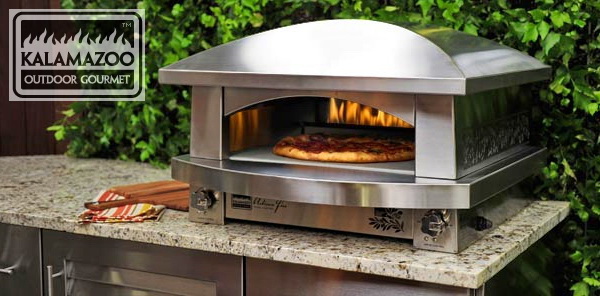
Stainless Steel (better):![]() This is a good strong high temperature metal, but it is just as expensive as copper; costing 6 to 10 times more than just galvanized steel. It may look good outside a diner car, but one of the biggest drawbacks to stainless steel is how it will stay bright and shinny, will get dirty, and mildew on the North side (just like in this photo taken on the Pacific Coast, over a church near Cannon Beach, Oregon). It is easy enough to clean once you are able to safely access it, but that can be enough of a hassle that it just doesn't happen. Stainless steel is preferred by most sheet metal shops because is quick and easy to just spot-weld together, so most shops will opt for stainless steel when forced to work with a rust free metal. As with copper other shops will usually use very thin sheets of stainless steel to to work with in order to help reduce the cost and make it a lot easier to cut, bend, and drill. The thinness of the metal will tend to show a lot of irregularities and buckles on a flat surface. Hence the big 'X' bend commonly seen in these flat panels. Most people think it is a design feature, but that actually has nothing to do with why they bend that 'X' through the larger metal panel. One of the cautions with stainless steel products is how many clients have been swindled by getting just steel, which will begin to rust within a few years. Well past any chance to resolve a dispute over that fraud. Even if it is made with a high grade stainless steel that will not attract a magnet the fasteners may not be SS. Any product is only as good as it's weakest link. Here is a example of a very nicely built 30" wide pizza oven, but at over $6k it cost more than one of my copper chimney caps that are 4X larger w/truck freight included. I'm flattered if their design was inspired by my work shown just below, but they deny it of course. |
|
We fabricate most of our custom copper work in 20oz copper sheets or thicker, which is 1/4th thicker copper than the standard 16oz copper normally used in the roofing industry. Copper is a heavy and sturdy metal that handles around 2,000 degrees F. It needs no coatings over it for protection from the elements. It has a melting point about 700 degrees higher than aluminum. Unlike most other shops, we go to the trouble
to rivet the overlapping seams together, since the melting point of
the lead type solder is far less than even aluminum and less than the
zinc coating on steel. It would be terrible if the cap were to
fall apart from the solder welds melting apart. We have seen plenty
of evidence of this happening. We have to design our chimney caps
to be strong enough for high winds, and not to leak, without the use
of solder or even caulk, and yet be easily removable for future cleaning
and servicing. Fabricators who are more about mass production will not work with copper, because it cannot just be quickly spot welded together like steel and stainless steel. Handling is also tricky, since finger prints will cause the copper to tarnish sooner than the rest of the copper surface, making it spotty looking until it evens out. So will wearing protective gloves while handling bare copper, but most of it will have a clear plastic film over the outside when you get it, that you simply peal off after installation. New copper looks nice, but we have yet to find a good method to keep it from tarnishing. Raw copper is actually more pink, but most people see it as an orange'ish color, since it has already has begun the tarnishing process by the time they see it just from the humidity in the air, beginning it's process to turn brown. Any clear coat applied over the copper surface can be a problem, since it will not handle the heat well. Even without the heat issue, the sun's UV rays and the elements will break the clear coat down before long, causing unsightly peeling and a spotty tarnishing where it has cracked and peeled off the copper surface. Fortunately most people we have talked with seem to love the natural aged striated tarnish look that real copper gets, and some ask if we can pre-tarnish the copper here in our shop. I explain how within a few months it will naturally tarnish, so it is not worth the added cost, but it can be done before shipping by applying an acid wash to pit the metal surface and cause this premature reaction. Not well advised if I may say. |
| Bronze
(excellent, but too hard to work with): I have only seen very limited sources of bronze sheet metal stock, because it is not a malleable metal and therefore not good for bending. It is made of 70% copper with a mix of hardeners to make it stronger and more scratch resistant. Used more for casting sculpture. |
|
Titanium
(excellent, if you can afford it): |
| Silver
(well worth the brag points, if you can afford it): Again I have not seen a source for large sheets of sterling silver, because of the high cost and therefore low demand, but that would be pretty cool. It would still tarnish to a dark black and look much like aged copper, unless you hired someone to polish it each year. I'm game if cost is no object. |
.
.
.
|

Helpful
Roofing Information For some valuable advice with regards to roofing and rain management issues check out our:
(a)
Gutter Installation web pages for answers and solutions that could save you thousands of $ and a great deal of anguish. If you do find this information very helpful, feel free to send us a $ tip for the assistance we so freely have published on the web here for your benefit, like you might tip a waitress. Heck, send us a gift certificate for a candle lit dinner for two. |
.
|

Below is a
photo of our |
|
We were also a 1997 finalist for this same award. See our referral web page to see how we managed to be honored with this special award |
![]() Homepage |
.
|
|
Company Profile |
|
Roof Caps |
|
Chimney Caps |
|
Scuppers |
|
Gutters |
|
Shipping |
|
Contact Info |
.
.
.
.
.
.
..
.
.
.
.